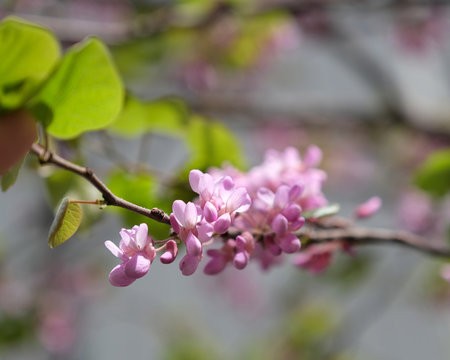
Botanical name - Pongamia pinnata
Family - Fabaceae
CAS No - 8002-43-5
Chemical Composition - % Karanjin, % Pongamin
Test Method - HPLC
Product Description -
Pongamia pinnata, also known as Indian beech or Karanja, is a medium-sized evergreen tree belonging to the Fabaceae family. It is native to India, Southeast Asia, Australia, and the Pacific islands
Applications
- Skin Disorders: Used in Ayurvedic medicine for treating eczema, psoriasis, and wounds.
- Digestive Health: Leaves are used for gastrointestinal issues like diarrhea and bloating.
- Diabetes Management: Some compounds may help regulate blood sugar levels.
- Anti-inflammatory & Antimicrobial: Exhibits antibacterial and antifungal properties, useful for skin infections.
- Pain Relief: Traditionally used for joint pain and arthritis.
Benefits
- Biofuel Production: Pongamia oil is a promising renewable biodiesel source.
- Soil Fertility: Pongamia cake, a byproduct of oil extraction, is rich in nutrients like nitrogen, phosphorus, and potassium, making it a valuable organic fertilizer.
- Erosion Control: The tree’s extensive root system helps stabilize soil and prevent erosion.
- Carbon Sequestration: Acts as an effective carbon sink, contributing to climate change mitigation.
- Pollinator Support: Provides habitat and food sources for bees and butterflies.
Shelf Life
- The extract has a shelf life of two years when stored away from sunlight.
Packing and Storage
- Packing is available as fine powder in sealed containers. 1kg-5kgs plastic bag inside with aluminum foil bag outside. Net Weight: 20kgs-25kgs/paper-drum.
- Storage - Should be kept in a cool, dry area, away from direct sunlight and heat.